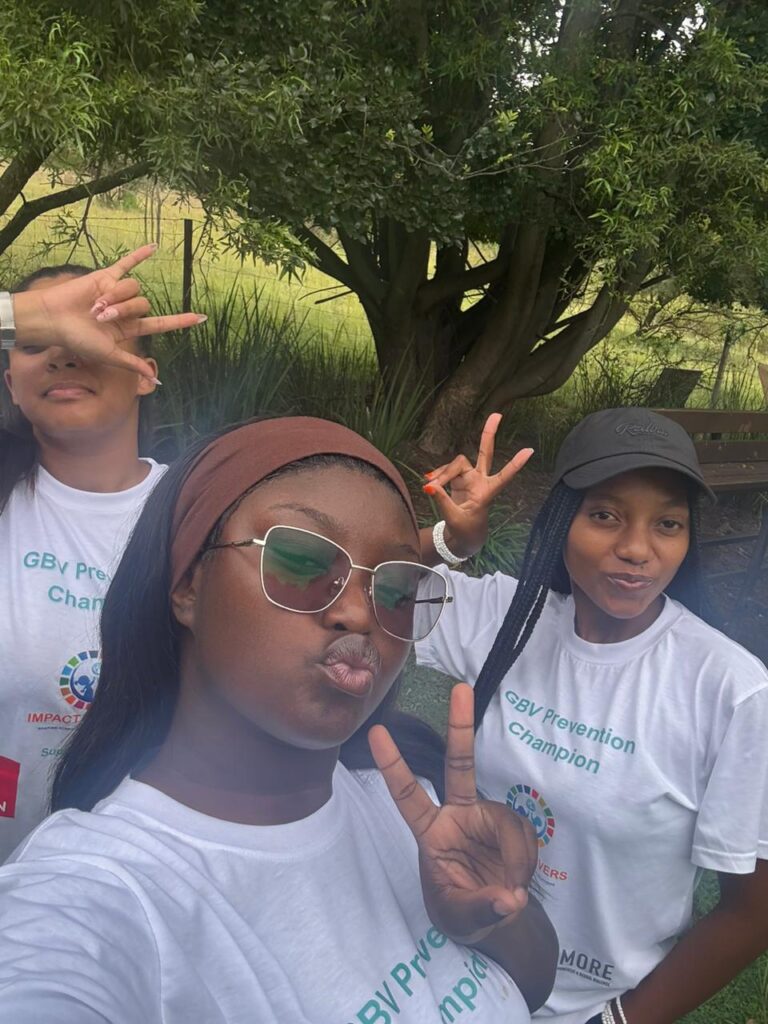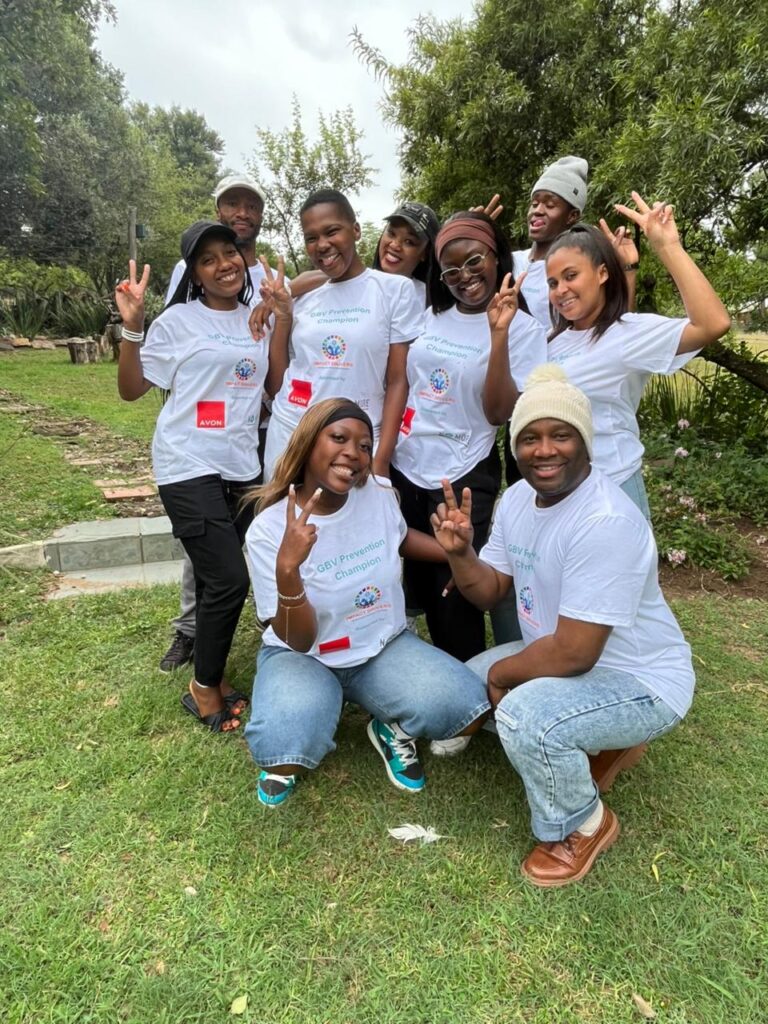
On 13–14 February, I attended a two-day workshop on Gender-Based Violence (GBV) and Comprehensive Sexuality Education (CSE). I expected practical teaching tools. I left with a shift in perspective – and a deeper sense of responsibility.
Over the two days, we unpacked the realities of GBV, challenged common myths, and explored the legal framework in South Africa. But the heart of the training was understanding consent – not as a complex legal idea, but as something clear and teachable: consent must be voluntary, clear, reversible, and enthusiastic.
Comprehensive Sexuality Education broadened that conversation. CSE is not just about biology; it’s about relationships, boundaries, respect, and safety. It equips young people with age-appropriate knowledge and life skills to make informed decisions, recognise red flags, and seek help when needed.
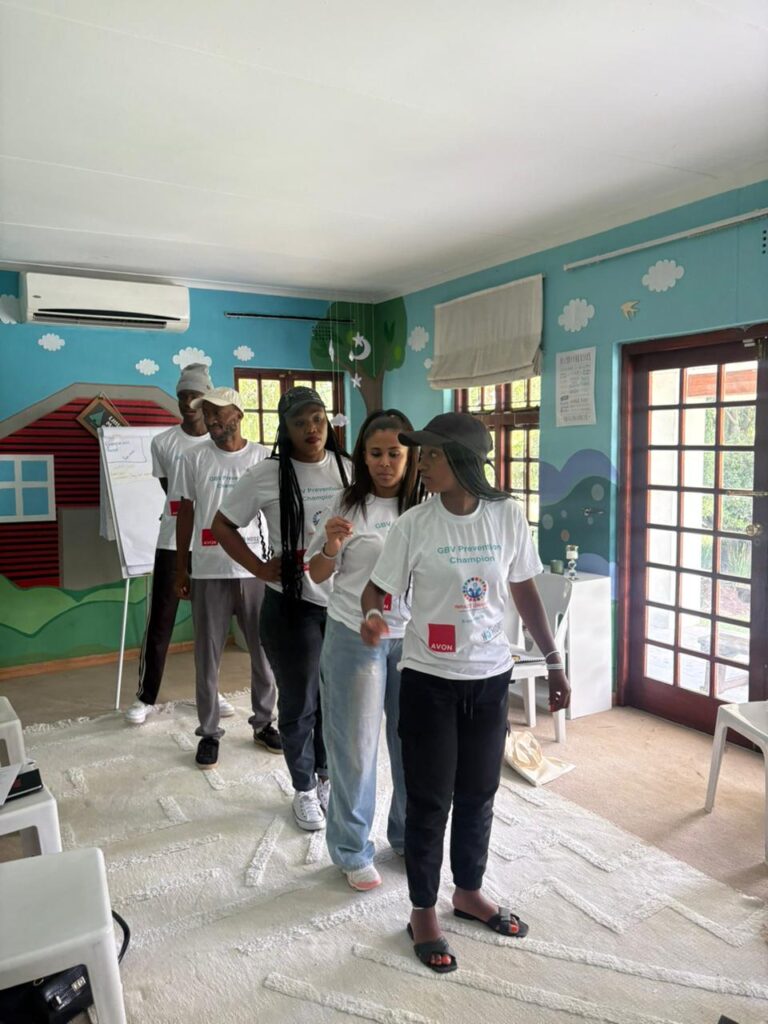
One simple role-play stood out: a “no” was said, and it was immediately respected. No pressure. No persuasion. Just respect. It felt powerful – and reminded me how important it is to normalise that response in classrooms.
What I’m taking forward is simple:
• Define consent clearly: “Saying yes freely and being able to change your mind.”
• Use relatable scenarios learners understand.
• Reinforce three words: Ask. Listen. Respect.
Two days of training reminded me that teaching consent through CSE isn’t optional – it’s essential. If we introduce these conversations early, we help shape a generation that understands dignity, boundaries, and empathy.
-Katlego Buhle Lesomo